A hot and cold water dispenser and how it works is one we are asked every day by offices, schools, healthcare settings, and commercial spaces across the UK. Many people see a water dispenser as a simple machine that delivers drinking water, but there is far more happening behind the scenes. Understanding how a dispenser works can help you choose the right system for your workplace while also seeing the value in investing in a quality water dispenser.
At AquAid, we have supplied water dispensers since 1998. Over the years, we have focused not only on performance and reliability, but also on sustainability, safety, and social impact. In this guide, we explain exactly how hot and cold water dispensers work, what components are involved, and why quality matters for long-term use.
How a Hot and Cold Water Dispenser Works
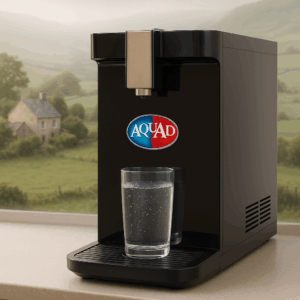
When people ask about a hot and cold water dispenser how it works, the answer begins with how water is stored, cooled, and heated inside the unit. Most dispensers are designed to supply chilled water for refreshment and hot water for drinks such as tea, coffee, or soups, all from one system.
Water enters the dispenser either from a bottled supply or directly from the mains. Inside the unit, the water is separated into different chambers. One chamber is dedicated to cold water, while another is used for hot water. Each chamber has its own temperature control system, allowing the dispenser to provide water instantly at the required temperature.
This separation is what allows dispensers to deliver hot and cold water safely and efficiently throughout the day.
The Cooling System Explained
The cooling process is a key part of the hot and cold water dispenser how it works. Cold water dispensers typically use either a compressor-based cooling system or a thermoelectric system, depending on the model and capacity.
Compressor-cooled systems work in a similar way to a refrigerator. A refrigerant absorbs heat from the water, lowering its temperature before the heat is released externally. This method is ideal for busy workplaces because it delivers consistent cold water, even during high usage periods.
Thermoelectric systems are quieter and more compact. They use an electric current to transfer heat away from the water. While they are suitable for smaller offices, a quality water dispenser will always match the cooling system to the environment it is designed for.
How Hot Water Is Heated Safely
Hot water delivery is another essential part of the hot and cold water dispenser how it works. Inside the unit, water is stored in a heat-resistant tank where an internal heating element raises the temperature to a level suitable for hot drinks.
Modern dispensers are designed with safety in mind. Most include insulated tanks, temperature regulators, and child safety locks on hot water taps. This prevents accidental burns while still allowing easy access to hot water when needed.
A quality water dispenser maintains a stable hot water temperature without overheating. This not only improves safety but also reduces energy waste, helping businesses lower running costs over time.
Bottled vs Mains-Fed Dispensers
Another important part of understanding how a hot and cold water dispenser works is knowing the difference between bottled and mains-fed systems. Both options provide reliable access to hot and cold water, but they operate slightly differently.
Bottled dispensers use large water bottles that are placed on top of or inside the unit. The water flows into the system as it is dispensed. These systems are flexible and ideal for locations without a suitable mains connection.
Mains-fed dispensers connect directly to the building’s water supply. They include advanced filtration systems that purify water before it is heated or cooled. Many businesses prefer mains-fed systems because they reduce plastic waste and offer a continuous supply of water from a quality water dispenser.
Why Filtration Matters
Filtration plays a major role in the hot and cold water dispenser how it works, especially in mains-fed systems. Filters remove impurities such as sediment, chlorine, and odours, improving both taste and water quality.
At AquAid, we place strong emphasis on water safety and quality. Our filtration systems are designed to deliver clean, fresh-tasting water while meeting strict hygiene standards. Regular filter changes are part of maintaining a quality water dispenser, helping to protect both the system and the people using it.
Good filtration also protects internal components from scale build-up, extending the lifespan of the dispenser and keeping performance consistent.
Energy Efficiency and Environmental Responsibility
Understanding how a hot and cold water dispenser works also means looking at energy use and environmental impact. A well-designed dispenser uses insulation, thermostats, and efficient heating and cooling systems to reduce power consumption.
At AquAid, sustainability is central to everything we do. Beyond our products, we actively reduce our carbon footprint through smarter operations. One example is our use of the Lightfoot system in delivery vehicles. This technology promotes smoother driving and fuel efficiency, helping us reduce carbon emissions by around 60 tons per year.
Choosing a quality water dispenser from a supplier committed to sustainability supports greener business practices every day.
Hygiene, Safety, and Covid-19 Measures
Hygiene is a critical factor in the hot and cold water dispenser how it works, particularly in shared environments. Modern dispensers are designed with sealed systems, touch-free options, and easy-clean surfaces to reduce contamination risks.
We take health and safety seriously. Our Covid-19 risk assessment is regularly reviewed and updated in line with government guidance and best practice. From installation to servicing, our processes are designed to protect both customers and staff.
A quality water dispenser should support safe hydration without compromising hygiene, especially in high-traffic workplaces.
Social Impact Beyond the Workplace

When discussing hot and cold water dispenser how it works, it is also important to consider the wider impact of your choice. At AquAid, every dispenser supplied helps support life-changing water projects across Africa.
Since 1998, we have donated more than £19 million to charity and helped provide clean drinking water to over 3.5 million people. Through partnerships with Christian Aid and the Africa Trust, we support sustainable water solutions that empower communities for the long term.
Choosing a quality water dispenser from AquAid means contributing to positive change far beyond your own organisation.
Choosing the Right Quality Water Dispenser
Understanding how a hot and cold water dispenser works makes it easier to choose the right system. The best solution depends on usage levels, space, water supply, and sustainability goals.
A quality water dispenser should deliver consistent temperature control, strong filtration, energy efficiency, and long-term reliability. It should also come with professional installation, servicing, and support from a trusted supplier.
At AquAid, we help businesses find the right dispenser for their needs while delivering environmental and social value at the same time.
Speak to AquAid Today
If you would like to learn more about how hot and cold water dispenser works, or need help choosing a quality water dispenser for your workplace, our team is here to help.
Contact AquAid today to discuss your requirements and find a water solution that supports your people, your business, and the wider community.